
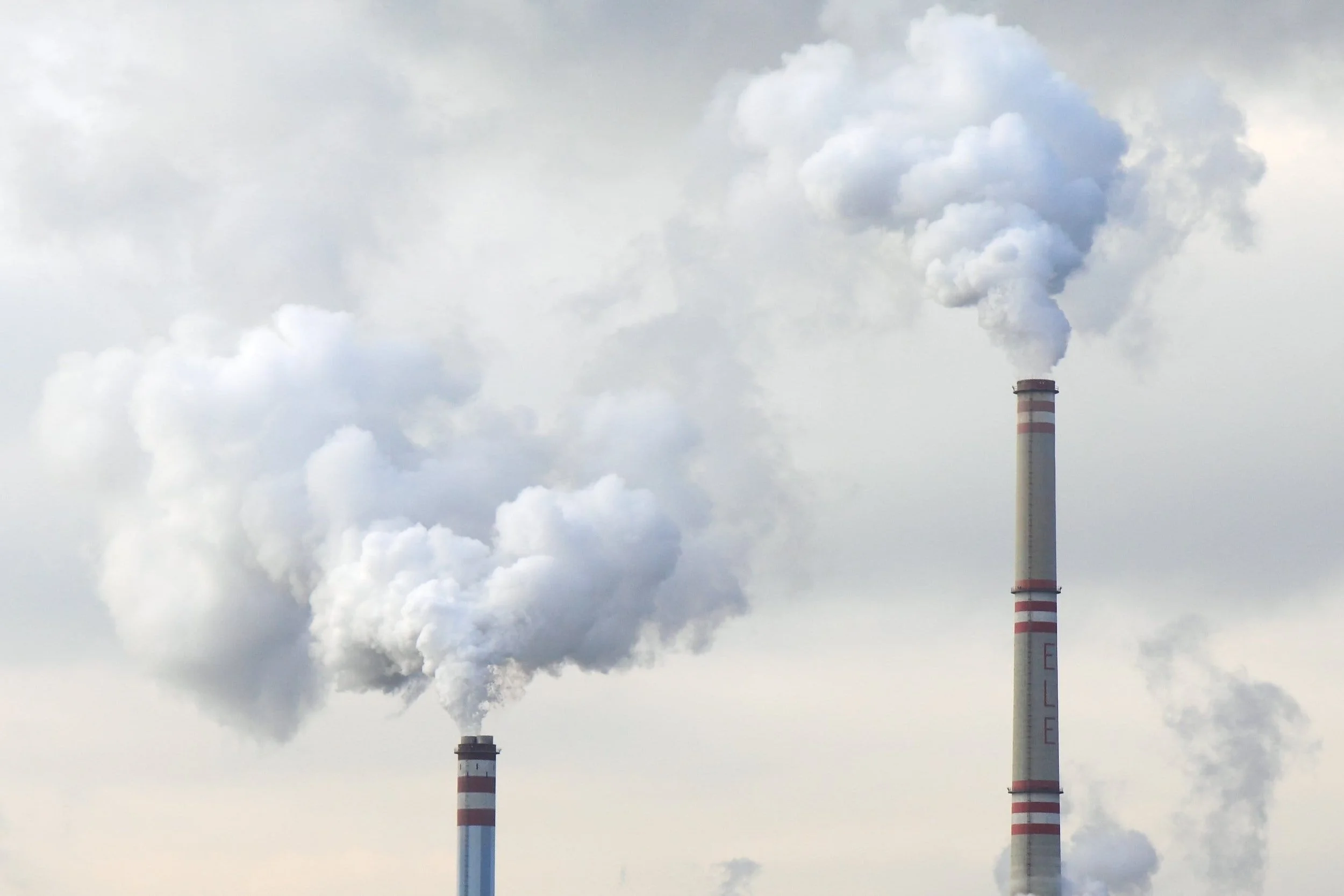
EU ETS Review 2026: What the Reform Means for Carbon and Power Buyers
The European Commission has proposed a major EU ETS reform, with a slower emissions-cap decline, longer free allocation and new funding for industrial decarbonisation. The changes may ease near-term carbon costs, but they also create new uncertainty for EUA and European power-price planning.

H1 2026: Europe's Energy Crisis Did Not End: It Changed Shape
Europe’s energy markets entered 2026 with lower prices than the crisis years, but risk has not disappeared. H1 moved from cold-weather demand and record renewable output to heatwaves, low gas storage, LNG competition and renewed geopolitical pressure — creating a market defined by volatility, negative prices and stressed peaks.

H1 2026 Geopolitical Energy Risk: What European Buyers Need to Manage
European energy markets spent H1 2026 moving between escalation, ceasefire hopes and renewed supply fears. For buyers, the main challenge was not predicting every crisis, but managing fast market reversals, slow approvals, LNG exposure and geopolitical risk through staged purchasing and clear decision rules.
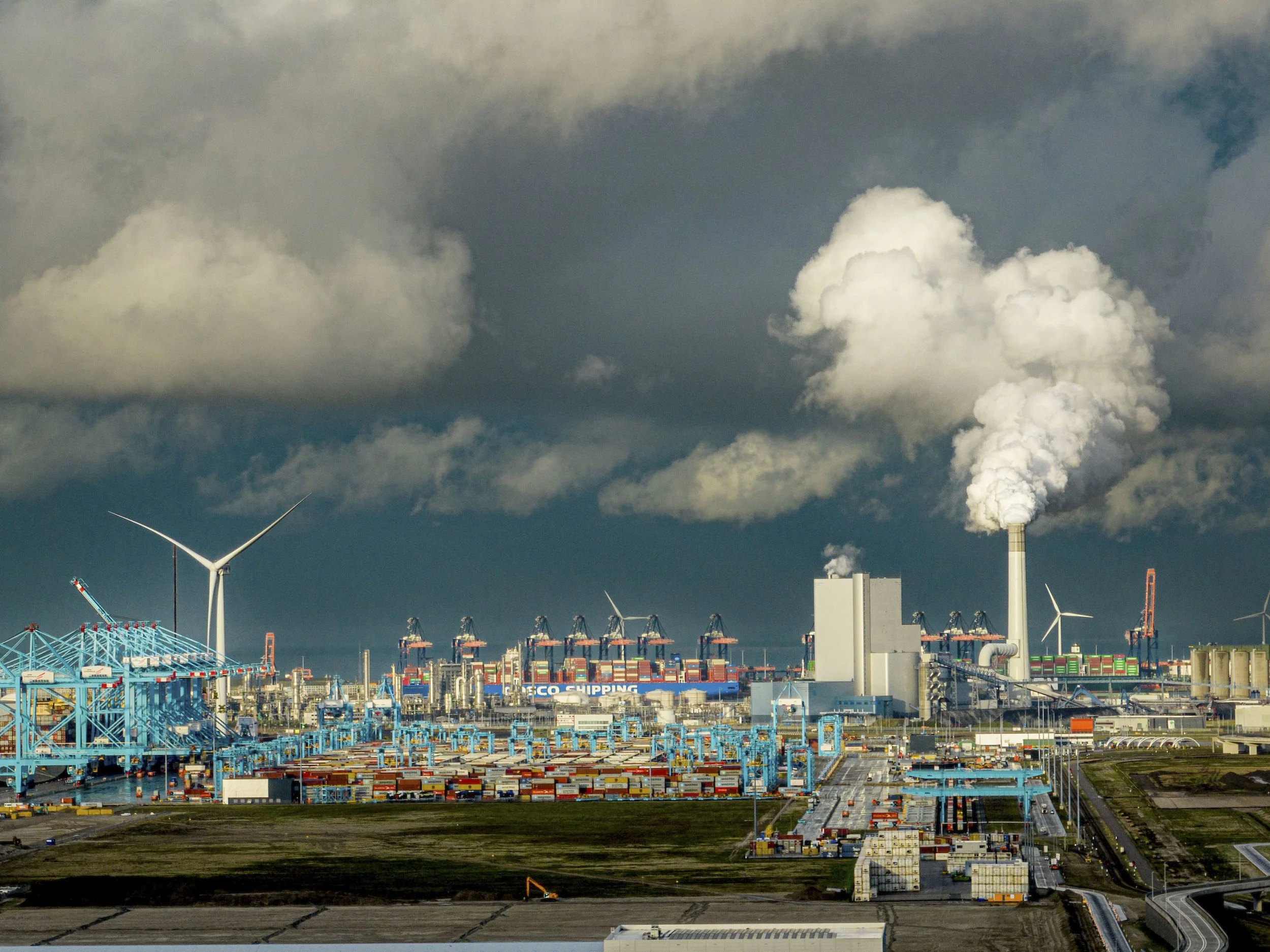
EU Carbon Markets Enter a Political Summer
The EU ETS is entering a politically sensitive phase as the European Commission prepares its July 2026 reform proposal. With slower emissions cuts, additional free allowances and ETS2 implementation under debate, carbon-market uncertainty could feed directly into European power prices, industrial costs and procurement strategy.

The Ocean Is Now an Energy-Market Indicator
Record-high sea-surface temperatures and a strengthening El Niño are turning ocean heat into a key signal for European power buyers. Rising cooling demand, weaker wind, hydro stress and thermal constraints could increase summer electricity price volatility.

TTF Reaches February High as Weather and Gas-for-Power Demand Tighten the Market
European gas prices remained highly weather-sensitive in early February, with TTF reaching a monthly high of €35.7/MWh on 6 February. Low storage, colder forecasts and stronger gas-for-power demand kept the market exposed before later geopolitical shocks.
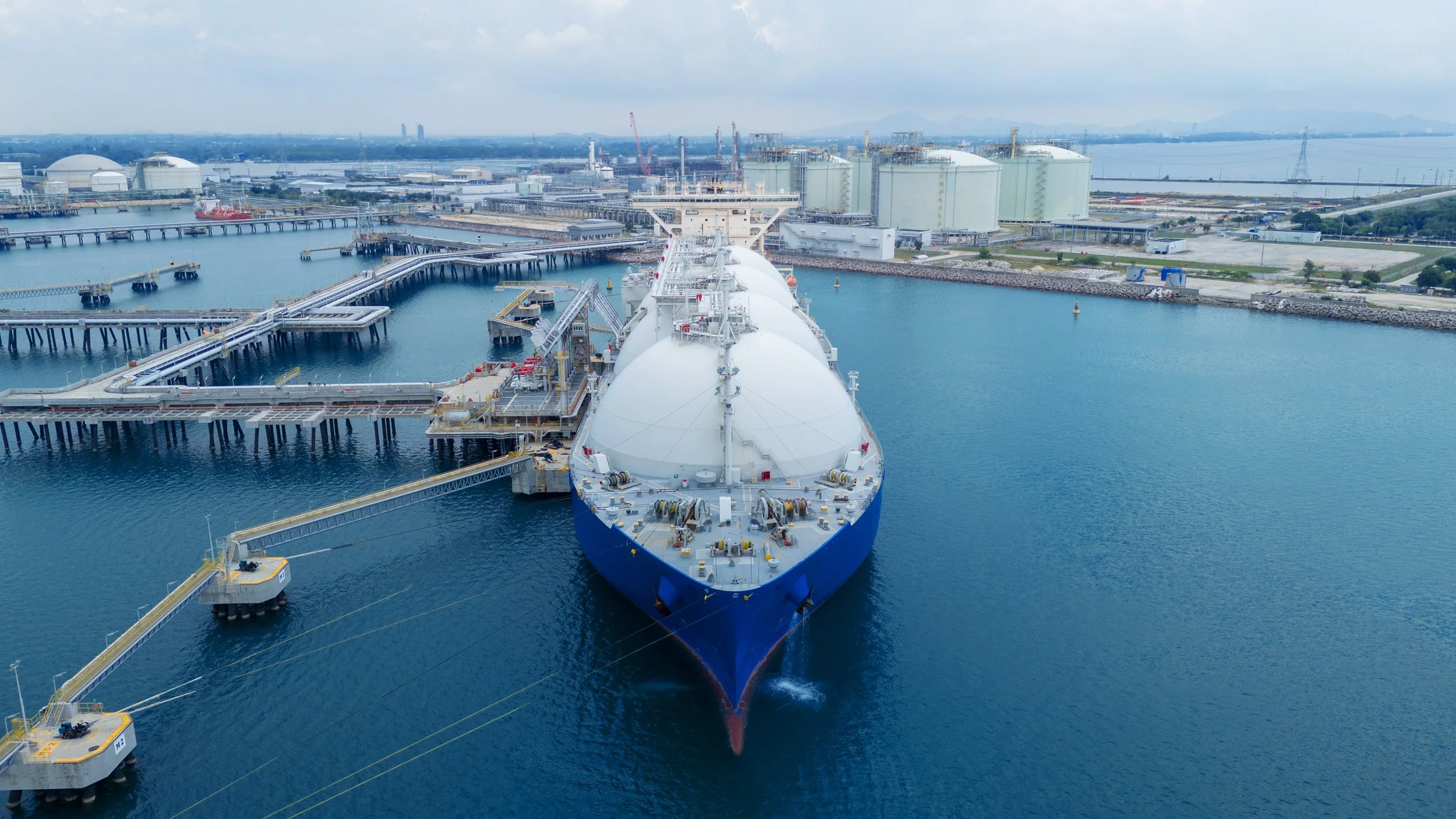
EU Russian Gas Phase-Out Becomes Law as Storage Falls to 2022-Like Levels
The EU’s formal approval of a stepwise Russian gas phase-out marks a structural turning point for European gas markets. However, the decision came as storage fell to 44%, highlighting the tension between long-term security policy and short-term supply risk.
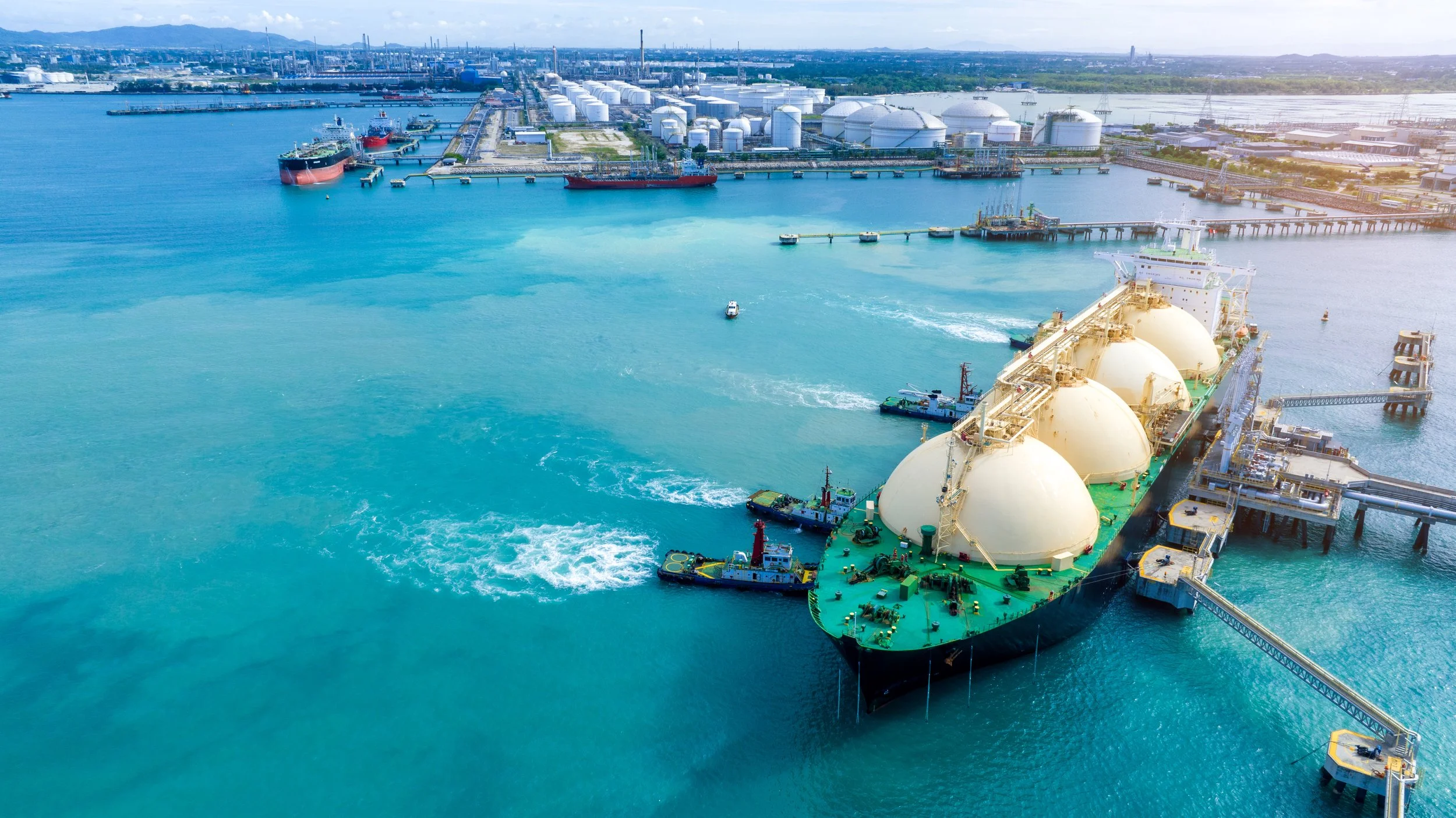
Europe expected to import record LNG in 2026: structural reliance on global gas markets deepens
Europe is expected to import a record volume of liquefied natural gas in 2026, underlining the region’s deepening reliance on global LNG markets. Reuters reported, citing the International Energy Agency’s quarterly Gas Market Report, that European LNG imports are forecast to reach 185 billion cubic metres in 2026.

Why TTF & power prices jumped (week of 12–18 Jan 2026)
The week of 12–18 January 2026 reminded buyers how quickly winter risk can reprice Europe. TTF jumped about 30% on colder weather expectations and tight inventories: pulling power higher, especially in tight hours, with carbon adding extra uplift.

European Energy Paradox: Why Cheap Gas Won't Fix Power Volatility in 2026
While 2026 promises relief in natural gas prices due to a global LNG surplus, European businesses face a new challenge: structural electricity volatility.
Europe’s power markets in 2025: record renewables, record volatility - and a procurement reset
Europe’s 2025 power market is defined by record renewables, and record volatility. Midday oversupply, negative prices, and grid bottlenecks are changing what a “good” energy deal looks like. For buyers, the new edge is flexibility: smarter fixing/unfixing decisions, better contract optionality, diversified supply, and practical tools like batteries and demand shifting.